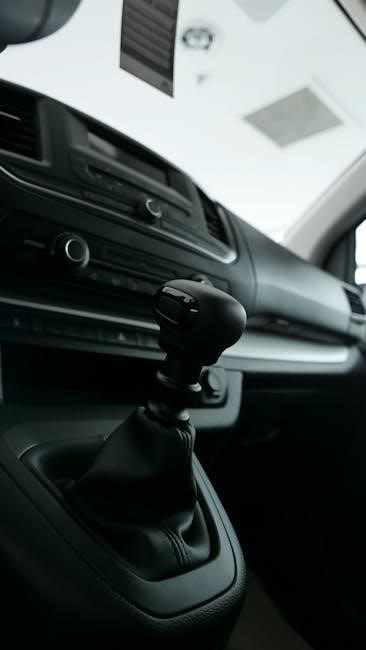
The automotive world faces a choice: traditional manual control or the evolving convenience of paddle shifters. Racing games and advancements, like the EVO X, blur the lines.
The Evolving Landscape of Automotive Control
Automotive control has dramatically shifted from purely mechanical engagement to increasingly sophisticated electronic systems. Initially, drivers directly managed gear selection with manual transmissions. However, the desire for convenience spurred the development of automatic transmissions.
More recently, paddle shifters emerged, offering a blend of both worlds – the automation of an automatic with the driver’s ability to manually select gears. This evolution reflects a continuous pursuit of performance, efficiency, and driver experience, influenced by technologies seen in vehicles like the BMW 335i.
Brief History of Manual Transmissions
Manual transmissions represent the earliest form of automotive gear control, dating back to the very beginnings of the automobile. These systems required drivers to directly engage and disengage gears using a clutch pedal and shift lever.
For decades, they were the dominant technology, demanding significant driver skill and involvement. This direct connection fostered a strong sense of control and engagement, a feeling many enthusiasts still cherish today, even as alternatives like paddle shifters emerge.
The Rise of Automatic Transmissions and Paddle Shifters
Automatic transmissions initially aimed for convenience, eliminating the need for manual gear changes. However, they often lacked the driver engagement and control preferred by enthusiasts.
Paddle shifters emerged as a compromise, offering a degree of manual control within an automatic framework. Technologies like DSG (Direct-Shift Gearbox) further refined this, allowing quicker shifts and a more connected driving experience, appealing to a new generation of drivers accustomed to racing simulations.
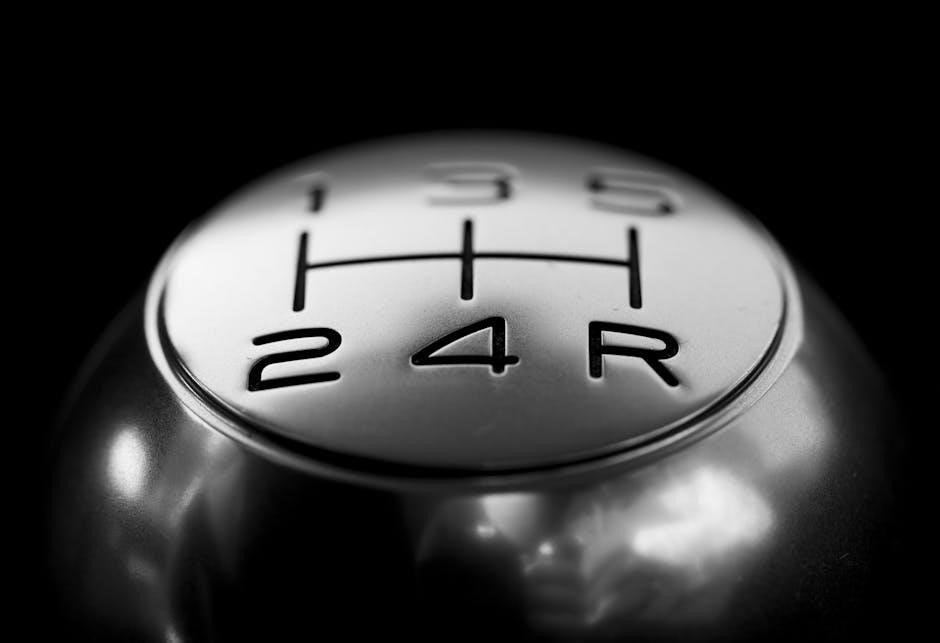
Understanding Manual Transmissions
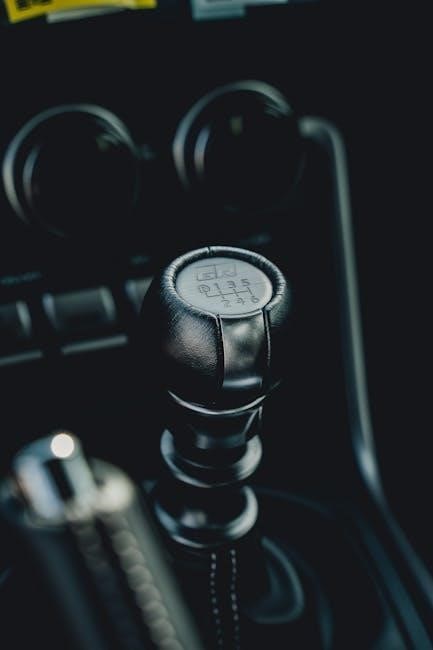
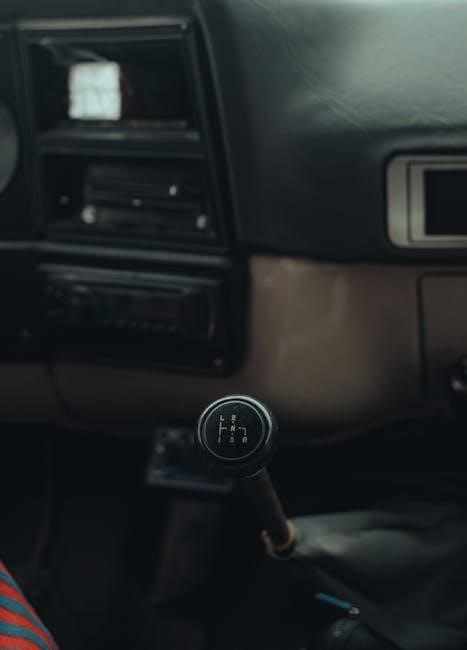
Traditional manual transmissions demand direct driver involvement, utilizing a clutch and gear lever for control. This system requires skill and provides a connected feel.
How a Traditional Manual Transmission Works
A manual transmission employs gears and a clutch to transfer engine power to the wheels. The driver disengages the engine from the drivetrain using the clutch pedal, selecting the appropriate gear with a shift lever. This physically alters the gear ratio, optimizing engine output for speed and torque. Synchronizers ensure smooth gear changes by matching the speeds of the gears before engagement. Ultimately, the driver dictates the power delivery, demanding precise coordination and control over these mechanical components for efficient operation.
The Driver’s Role and Engagement
Driving a manual transmission fosters a direct connection between driver and machine. It requires active participation – clutch control, precise shifting, and throttle modulation – creating a uniquely engaging experience. This demands heightened awareness of engine speed and road conditions. The driver isn’t merely steering; they’re actively managing the powertrain. This level of involvement appeals to enthusiasts seeking a visceral and rewarding driving experience, unlike the more detached feel of automated systems.
Advantages of Manual Transmissions: Control & Cost
Manual transmissions offer drivers unparalleled control over gear selection and engine braking, crucial for performance driving and challenging terrains. They often present a lower initial purchase price compared to vehicles equipped with automatic or paddle-shift systems. Furthermore, manual transmissions generally have simpler mechanical designs, potentially leading to lower long-term maintenance costs and increased reliability, offering a cost-effective option.
Disadvantages of Manual Transmissions: Learning Curve & Fatigue
Mastering a manual transmission demands significant practice and coordination, presenting a steeper learning curve for novice drivers. Constant clutch engagement and gear changes can induce fatigue, particularly during prolonged driving or in congested city traffic. This can detract from the overall driving experience, especially for daily commutes, making it less convenient than automated alternatives.
Delving into Paddle Shift Technology
Paddle shifters offer drivers electronic control over gear selection, often paired with DSG transmissions, and rely on software for quick, responsive shifts.
What are Paddle Shifters?
Paddle shifters are steering wheel-mounted levers that allow drivers to manually control an automatic transmission. Unlike a traditional gear stick, they offer a more accessible and often faster method for changing gears. These systems don’t directly engage gears like a manual; instead, they send electronic signals to the transmission control unit (TCU); The TCU then executes the gear change, offering a blend of convenience and control. They simulate a manual experience without the clutch pedal, appealing to drivers seeking engagement.
How Paddle Shifters Interact with the Transmission (DSG, etc.)
Paddle shifters commonly interface with advanced automatic transmissions like Dual-Clutch Gearboxes (DSG). When a paddle is activated, it signals the TCU to pre-select the next gear. With a DSG, one clutch engages the current gear while the other prepares the next, enabling incredibly rapid shifts. In a Volkswagen Golf Sportwagen, the +/- plate controls the DSG. This system minimizes power interruption, enhancing acceleration and responsiveness, offering a seamless driving experience.
The Role of Software and Response Time
Software is crucial in paddle shifter systems, interpreting driver input and controlling the transmission. Milliseconds matter; the delay between paddle activation and gear change impacts performance. BMW 335i coupes demonstrate quicker response times than some competitors, like the IS350. Drivers must account for this lag, especially on the track, as seen with the Corvette C6R, requiring adaptation to brake and downshift simultaneously for optimal results.
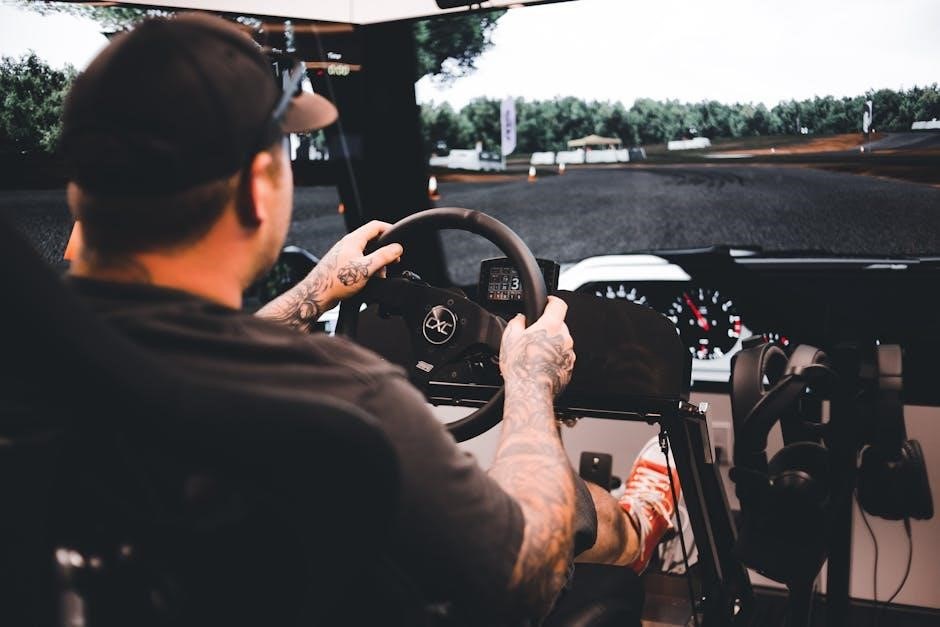
Paddle Shifters vs. Manual: Performance Comparison
Shift speed is key; milliseconds dictate acceleration. The Corvette C6R’s sequential transmission showcases benefits, while real-world tests reveal evolving technology favoring paddle shifters.
Shift Speed and Efficiency – Millisecond Analysis
Analyzing shift speeds reveals crucial differences. Manual transmissions rely on driver skill, introducing inherent delays. Paddle shifters, particularly in modern systems like those found in BMWs and the EVO X, boast incredibly fast actuation. However, the driver must account for the transmission’s internal processing time – milliseconds matter.
This delay, though minimal, requires adaptation on the track, as experienced with the Corvette C6R. Ultimately, efficient shifting isn’t solely about speed, but also seamless integration with driving technique.
Impact on Track Performance (Corvette C6R Example)
The Corvette C6R’s sequential transmission demonstrates a performance advantage. While retaining a clutch for specific scenarios, it allows for downshifting during braking – a technique maximizing track time. Drivers learn to anticipate slight delays, relying on the car’s torque to compensate if shifts aren’t perfect.
This highlights a generational shift; those accustomed to paddle shifters, through gaming or experience, often adapt quickly, finding the system preferable for consistent lap times.
Real-World Acceleration Tests: Manual vs; Paddle Shift
Acceleration tests reveal nuanced differences between manual and paddle-shifted transmissions. Millisecond shift times are crucial, requiring drivers to account for transmission response. The BMW 335i coupe and the EVO X showcase improved technology, with the latter’s stock automatic version even outperforming its manual counterpart.
These results suggest that advancements are minimizing the performance gap, challenging traditional perceptions of manual superiority in straight-line acceleration.
The Driving Experience: Subjective Differences
Driver engagement and comfort vary greatly. Familiarity, generational preferences, and feel play significant roles, with some favoring the control of a manual versus paddle shifters.
Driver Engagement and Feel
The connection between driver and machine differs significantly. Manual transmissions demand full participation – clutch control, precise shifts – fostering a deeply immersive experience. Paddle shifters, while quick, can feel somewhat detached, relying on software interpretation. However, those accustomed to racing simulations often find paddle shifters intuitive and engaging. The tactile feedback of a manual gearbox, the physical act of shifting, contributes to a sense of control that paddle shifters struggle to replicate, though response times are improving with technology like those found in BMW and EVO X models.
Comfort and Convenience
Paddle shifters undeniably offer greater convenience, especially in congested traffic. Eliminating the need for constant clutch and gear lever manipulation reduces driver fatigue. Manual transmissions, while rewarding, can be tiresome during daily commutes. The ability to downshift while braking, as experienced on the track with the Corvette C6R, is simplified with paddles. For drivers unfamiliar or less comfortable with a manual, paddle shifters provide a more accessible performance driving experience, bridging the gap between automatic ease and manual control.
Generational Preferences and Familiarity
Driving preferences often correlate with age and early experiences. Those who grew up playing racing games with paddle shifters, like one CorvetteForum user, may find them more intuitive and comfortable. Conversely, drivers accustomed to traditional manual transmissions may resist the shift, valuing the direct connection. This familiarity impacts perceived control and enjoyment. It may be a generational thing, with younger drivers readily adopting paddle shifters while older enthusiasts remain loyal to the classic gearshift setup.
Technological Advancements & Future Trends
Paddle shifter response times are improving (BMW 335i, EVO X), with potential for sequential transmissions and AI-driven predictive shifting to enhance performance.
Improvements in Paddle Shifter Response Times (BMW 335i, EVO X)
Modern paddle shifters are rapidly closing the gap with traditional manuals. Drivers note the BMW 335i coupe exhibits less lag in shift times compared to some alternatives. The stock automatic EVO X, surprisingly, demonstrated faster acceleration than its manual counterpart, showcasing technological progress. Milliseconds matter, requiring drivers to account for transmission delays, but improvements are evident. These advancements highlight a trend towards quicker, more responsive paddle-shift systems, enhancing the driving experience and performance capabilities.
The Potential of Sequential Transmissions
Sequential transmissions represent a compelling blend of manual and automatic technologies. As exemplified by the Corvette C6R, these systems retain a clutch for when needed, offering a versatile driving experience. While some delay exists, drivers adapt, downshifting during braking and relying on torque. Sequential gearboxes offer precise control, potentially bridging the gap between purist manual engagement and automated convenience, representing a significant evolution in automotive control systems.
Predictive Shifting and AI Integration
The future of transmissions lies in intelligent systems. AI can analyze driving patterns, anticipating gear changes for optimal performance and efficiency. This predictive shifting minimizes lag, addressing a common critique of paddle shifters – milliseconds matter, as seen in BMW 335i and EVO X comparisons. Such integration promises smoother transitions, potentially surpassing even skilled manual drivers, creating a truly seamless and responsive driving experience.
Specific Applications & Vehicle Types
Vehicle type dictates transmission preference. Sports cars benefit from paddle shifters’ speed, while manuals suit everyday commutes, and off-roading demands robust control.
Sports Cars and Performance Vehicles
For high-performance applications, the debate intensifies. Paddle shifters, exemplified by the Corvette C6R’s sequential transmission, offer incredibly fast shifts, minimizing power loss during acceleration. Drivers can downshift during braking, optimizing track performance. However, a skilled driver can master a manual, achieving comparable results. The milliseconds matter, with BMW 335i and EVO X showcasing improved response times in paddle systems, yet driver adaptation is key to maximizing any transmission’s potential.
Everyday Commuting and City Driving
In urban environments, paddle shifters shine with convenience. Constant stop-and-go traffic demands frequent gear changes, where the ease of paddle operation reduces driver fatigue. While a manual offers engagement, it can become tiresome. However, for those accustomed to a manual, the added control might be preferred. Ultimately, the choice hinges on personal preference and tolerance for clutch work in congested conditions, balancing practicality with driving enjoyment;
Off-Roading and Challenging Terrain
For off-road adventures, the debate intensifies. A manual transmission provides precise engine braking and control over wheel speed, crucial for navigating tricky obstacles. Paddle shifters, while offering quick shifts, may lack the nuanced control desired in demanding situations. The ability to “feel” the gear engagement is vital. However, modern systems are improving, potentially bridging the gap, though a clutch remains advantageous for delicate maneuvers.
Maintenance and Reliability
Manual transmissions require fluid changes and clutch replacements. Paddle shift systems involve complex electronics, potentially leading to higher repair costs and specialized diagnostics.
Manual Transmission Maintenance
Maintaining a manual transmission involves several key procedures to ensure longevity and optimal performance. Regular fluid checks and changes are crucial, typically every 30,000 to 60,000 miles, depending on driving conditions. The clutch is a wear item and will eventually require replacement, with timing varying based on driving habits – aggressive drivers will experience faster wear. Inspecting shift linkages for smooth operation and addressing any leaks promptly are also essential preventative measures. Ignoring these tasks can lead to costly repairs down the line, impacting the vehicle’s overall reliability.
Paddle Shift System Maintenance
Paddle shift systems, while offering convenience, require specific maintenance to remain reliable. Unlike traditional manuals, these systems rely on complex electronics and hydraulics. Regular checks of the transmission fluid – often a specialized DSG fluid – are vital, typically every 40,000 to 60,000 miles. Inspecting the paddle shifters themselves for proper function and addressing any sensor issues promptly is crucial. Software updates can also optimize performance. Neglecting these aspects can lead to sluggish shifts or complete system failure.
Potential Failure Points and Repair Costs
Paddle shift systems present unique failure points. Sensors, solenoids, and the mechatronic unit are susceptible to wear and tear, leading to erratic shifting or complete failure. Repairs can be costly, often exceeding those for a manual transmission. A failing DSG transmission, common with paddle shifters, can require a complete rebuild – potentially $2,000-$5,000. Manuals, while subject to clutch wear, generally offer simpler and cheaper repairs, typically under $1,000 for clutch replacement.
Cost Considerations
Initial purchase price often favors manuals, but long-term costs vary. Fuel efficiency and maintenance impact ownership, while resale values differ between both systems.
Initial Purchase Price
Generally, vehicles equipped with manual transmissions carry a lower initial purchase price compared to their paddle-shift or fully automatic counterparts. This price difference stems from the simpler mechanical design and reduced manufacturing costs associated with manual gearboxes. However, this isn’t a universal rule, as some high-performance models might offer manuals as a premium option. The availability and pricing depend heavily on the specific vehicle make and model, and market demand also plays a significant role in determining the final cost at the dealership.
Long-Term Ownership Costs (Fuel, Maintenance)
Historically, manual transmissions often presented lower maintenance costs due to their mechanical simplicity. However, modern paddle-shift systems, like DSG, are becoming increasingly reliable. Fuel economy differences are often negligible, dependent more on driving style. Clutch replacements are a key manual cost, while paddle-shift systems may require specialized fluid changes and potential electronic component repairs. Ultimately, long-term costs depend on vehicle-specific reliability and the owner’s driving habits and maintenance schedule.
Resale Value Implications
Resale value is increasingly nuanced. While traditionally manuals held a niche appeal for enthusiasts, demand fluctuates. Paddle-shift equipped vehicles often appeal to a broader market, potentially leading to quicker sales. However, well-maintained, desirable manual cars can command a premium among collectors. Generational preferences play a role; younger buyers may favor paddle shifters, while older drivers appreciate manual engagement. Overall condition, mileage, and vehicle popularity heavily influence resale value regardless of transmission type.
The Debate: Which is “Better”?
“Better” depends on priorities: performance, enjoyment, or practicality. Driver skill and style are crucial; some prefer manual control, others embrace paddle-shift convenience.
Defining “Better” – Performance, Enjoyment, Practicality
Determining which transmission type is “better” necessitates defining the criteria. For pure performance, milliseconds matter – the BMW 335i boasts quicker shifts than some manuals. However, enjoyment is subjective; some drivers relish the engagement of a traditional manual, while others prefer the convenience of paddle shifters, honed by racing game experience.
Practicality leans towards paddle shifters for daily commuting, reducing fatigue. Ultimately, “better” isn’t universal; it’s a personal assessment based on driving style and needs.
Considering Individual Driving Styles
Driver preference significantly impacts the ideal transmission choice. Those accustomed to the tactile feedback and control of a manual may find paddle shifters less satisfying, prioritizing the direct connection. Conversely, drivers raised with racing simulators or seeking convenience might embrace paddle shifters’ ease of use.
Track driving reveals nuances; the Corvette C6R’s sequential transmission exemplifies adapting to automated shifts. Ultimately, the “best” system aligns with individual habits and expectations.
The Importance of Driver Skill
Mastery of either transmission type demands dedicated skill. A proficient manual driver maximizes performance through precise clutch control and gear selection, while paddle shifters require anticipating shifts and coordinating braking; Though technology aids, drivers must account for milliseconds in transmission response.
Even with paddle shifters, like those in BMWs, skilled drivers compensate for slight delays, ensuring optimal gear engagement. Skill transcends the interface.
Legal and Regulatory Aspects
Regulations generally don’t differentiate between transmission types. Driver’s licenses typically don’t require manual transmission proficiency, focusing on safe operation standards.
Driving Licenses and Manual Transmission Requirements
Historically, some regions required a specific endorsement for operating vehicles with manual transmissions, demanding demonstrated proficiency in clutch control and gear changes during the driving test. However, this practice is becoming increasingly rare globally. Most jurisdictions now issue standard driver’s licenses applicable to both automatic and manual vehicles, prioritizing overall safe driving skills.
The focus has shifted towards competency in vehicle control and road rules, rather than specific transmission expertise. Consequently, individuals learning to drive often opt for automatic or paddle-shift equipped cars, as licensing doesn’t necessitate mastering a manual system.
Emissions and Fuel Efficiency Standards
Modern emissions and fuel efficiency regulations don’t inherently favor one transmission type over another. Both manual and paddle-shift (often paired with dual-clutch transmissions ─ DCTs) can achieve comparable results, depending on vehicle design and driving style. DCTs, with their rapid shifting, can optimize engine operation within efficient zones.
However, driver engagement in a manual can potentially lead to more efficient driving, while automated systems may prioritize performance over economy. Ultimately, manufacturer calibration and adherence to standards are key determinants.
Safety Features and Driver Assistance Systems
The integration of safety features differs between manual and paddle-shift systems. Modern driver-assistance systems, like automatic emergency braking, often function seamlessly with automatic transmissions, including those utilizing paddle shifters. However, compatibility with manual transmissions can be more complex, requiring specific calibrations.
Paddle shifters allow drivers to maintain control while utilizing assistance features, potentially enhancing safety. Systems designed for automatic transmissions may not fully function with a manually disengaged clutch.
Both manual transmissions and paddle shifters have a place in the future. Sophistication grows, potentially merging the best of both worlds for a hybrid experience.
The Continued Relevance of Manual Transmissions
Despite the rise of automatics and paddle shifters, the manual transmission retains a dedicated following. For purists, it offers an unmatched level of driver engagement and control, fostering a direct connection with the vehicle. This tactile experience, along with potentially lower initial costs, ensures its survival.
Furthermore, some drivers appreciate the simplicity and reliability of a well-maintained manual gearbox, valuing its straightforward mechanics. The continued demand, though niche, guarantees its presence for enthusiasts seeking a truly immersive driving experience.
The Growing Sophistication of Paddle Shift Technology
Paddle shifters are rapidly evolving, diminishing the performance gap with traditional manuals. Advancements in software and response times, exemplified by the BMW 335i and EVO X, are key. Modern systems, like DSG, offer incredibly fast shifts, often faster than a human can achieve consistently.
This technology allows drivers to enjoy a degree of control without the fatigue associated with a clutch pedal, making them increasingly appealing for both track and street use.
A Hybrid Future? Combining the Best of Both Worlds
The future may not be about choosing sides, but integrating the strengths of both manual and paddle shift systems. Sequential transmissions, like those found in the Corvette C6R, represent a compelling blend – offering manual control when desired, with automated assistance.
Predictive shifting, powered by AI, could further enhance paddle shifters, anticipating driver needs and optimizing gear selection for a truly seamless experience.