
Understanding Free Camping in Western Australia
Navigating Western Australia’s vast landscapes often relies on readily available PDF maps detailing free campsites, offering crucial information for planning adventures.
These maps, frequently updated, showcase permitted locations, aiding responsible exploration and ensuring compliance with local regulations throughout the state.
What is Free Camping?
Free camping in Western Australia signifies setting up camp on public land – often Crown land – without the requirement to pay for a designated campsite. It’s a fantastic way to experience the state’s natural beauty affordably, but it demands responsible planning. Crucially, understanding where free camping is permitted is paramount, and this is where resources like WA free camping maps in PDF format become invaluable.
These maps delineate areas where overnight stays are allowed, often highlighting restrictions regarding campfires, vehicle access, and length of stay. They aren’t simply about avoiding fees; they’re about respecting the environment and adhering to local regulations. Utilizing these PDF maps ensures campers avoid fines and contribute to the preservation of WA’s pristine wilderness. Proper preparation, guided by these resources, is key to a successful and ethical free camping experience.
Legal Definitions of Free Camping in WA
Legally, “free camping” in Western Australia isn’t universally defined, creating ambiguity. It generally refers to camping on Crown land where no camping fees are levied, but local government areas often have specific bylaws. These bylaws dictate permitted locations and durations, making WA free camping maps in PDF essential for legal compliance.
These PDF maps often reflect the latest interpretations of the Land Administration Act 1997 and local council regulations. Ignoring these regulations can result in fines. Understanding that “free” doesn’t equate to “unregulated” is vital. Always consult the most current map and relevant council websites before establishing camp to ensure adherence to the law and responsible land use.
The Appeal of Free Camping
Free camping in Western Australia captivates adventurers with its promise of remote immersion and cost-effective travel. The allure lies in escaping crowded caravan parks and connecting directly with the state’s stunning natural beauty. Utilizing WA free camping maps in PDF format unlocks access to these hidden gems, fostering a sense of independence and discovery.
These maps empower travelers to explore diverse landscapes, from rugged coastlines to ancient forests, all while minimizing expenses. The freedom to choose secluded spots, guided by detailed PDF resources, enhances the overall experience, creating unforgettable memories and a deeper appreciation for the Australian outback.
Resources for Finding Free Campsites
Numerous online platforms and WA government websites offer downloadable PDF maps, pinpointing free camping locations and essential information for planning trips.
WA Government Websites for Camping Information
The Department of Biodiversity, Conservation and Attractions (DBCA) website is a primary resource, providing detailed information on camping within national parks and conservation areas across Western Australia. While not exclusively focused on free camping, it often links to or contains PDF maps indicating permitted areas for low-cost or basic camping, which can serve as starting points for free options nearby.
Additionally, the Parks and Wildlife Service section of the DBCA site offers downloadable maps for specific regions, sometimes highlighting areas where free camping is allowed under certain conditions. These PDF documents frequently include details on facilities, access restrictions, and fire regulations. Exploring local government websites is also crucial, as some councils publish their own free camping maps or lists of permitted locations within their jurisdiction. Remember to always cross-reference information and verify current regulations before embarking on your trip.
Dedicated Free Camping Websites & Apps
Several websites and mobile applications specialize in collating information on free and low-cost campsites throughout Western Australia, often incorporating user-submitted data and PDF map links. WikiCamps Australia is a popular choice, offering a comprehensive database with detailed campsite descriptions, photos, and downloadable maps, including some in PDF format.
Apps like CamperMate and Hipcamp also feature free camping listings, though their focus extends to paid campsites as well. These platforms frequently allow users to upload and share PDF maps they’ve discovered, creating a community-driven resource. Always verify the accuracy of information found on these platforms with official sources, as regulations can change. Remember to download PDF maps for offline access before venturing into areas with limited mobile coverage.
Facebook Groups & Online Forums
Numerous Facebook groups and online forums dedicated to Western Australian camping frequently share valuable information, including links to free campsite PDF maps and updates on accessibility. These communities are excellent resources for discovering hidden gems and obtaining firsthand accounts of campsite conditions.
Members often upload scanned PDF versions of older maps or share links to downloadable resources from government websites. Participating in these forums allows you to ask specific questions about locations and download relevant PDF maps. However, always cross-reference information with official sources to ensure accuracy, as user-submitted data may not always be current. Be mindful of group rules regarding map sharing and copyright.
Navigating WA Free Camping Maps (PDF Focus)
Western Australia’s free camping experience is greatly enhanced by utilizing downloadable PDF maps, providing detailed locations and crucial information for adventurers.
Sources for WA Free Camping Maps in PDF Format
Locating reliable PDF maps for free camping in Western Australia requires exploring several key resources. The Department of Biodiversity, Conservation and Attractions (DBCA) often provides regional maps outlining permitted camping areas within national parks and conservation reserves, though these frequently focus on paid sites.
Dedicated websites like WikiCamps Australia are invaluable, offering user-contributed maps and campsite details, often available for download or viewing in PDF format. Additionally, numerous local government websites publish camping guides, sometimes including PDF maps specific to their shires or regions.
Exploring online forums and Facebook groups dedicated to WA camping frequently reveals shared PDF maps created by experienced campers. Remember to verify the map’s date and accuracy, as regulations can change. Always cross-reference information with official sources before relying solely on user-generated content.
Understanding Map Symbols & Legends
Decoding the symbols and legends on Western Australian free camping PDF maps is crucial for safe and legal camping. Common symbols indicate campsite facilities – or lack thereof – such as toilets, water sources, picnic tables, and fire pits. Different map styles employ varying symbols, so always carefully review the legend before interpreting the map.
Pay close attention to symbols denoting road types (sealed, unsealed, 4WD only) and potential hazards like floodways or steep terrain. PDF maps often use color-coding to differentiate between Crown land, national parks, and private property, each with distinct camping regulations.
Understanding these visual cues ensures you select appropriate campsites for your vehicle and experience level, respecting access restrictions and minimizing environmental impact.
Using GPS Coordinates with PDF Maps
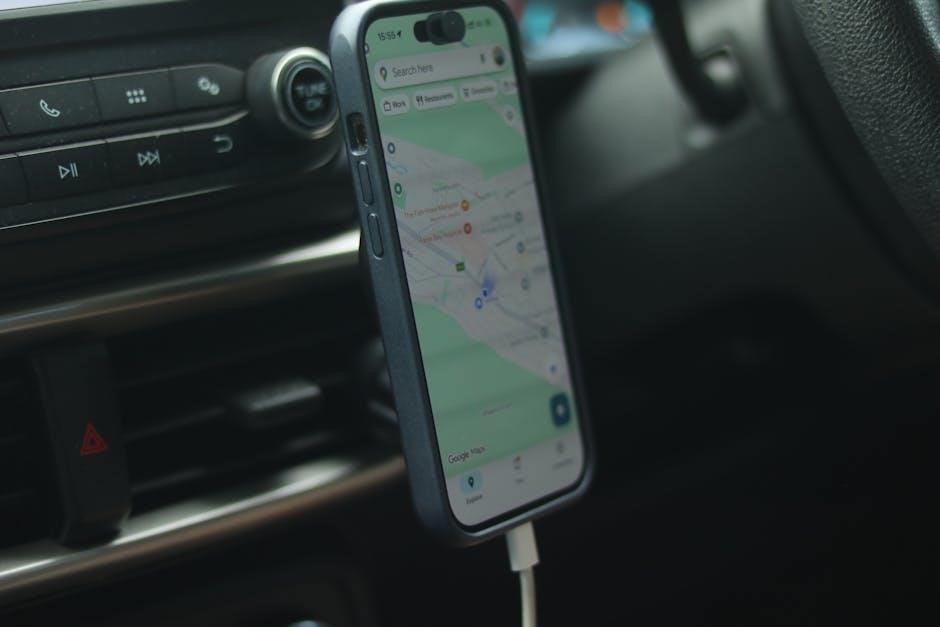
Combining PDF free camping maps with GPS coordinates significantly enhances navigation in Western Australia’s remote areas. Many maps include latitude and longitude coordinates for each campsite, allowing precise location pinpointing on GPS devices or smartphone apps.
Inputting these coordinates into your GPS ensures accurate routing, even without mobile reception. Several apps allow users to overlay PDF maps onto GPS displays, providing a visual reference alongside real-time location tracking.
Cross-referencing map locations with GPS data confirms your position and helps identify potential discrepancies, improving safety and confidence during off-grid adventures.
Types of Free Campsites in WA
WA offers diverse free camping, from basic bush sites detailed on PDF maps, to low-cost options with minimal facilities, and rest areas for overnight stays.
Basic Campsites (No Facilities)
Basic free campsites, prominently featured on Western Australia’s free camping PDF maps, represent the most remote and self-reliant camping experience. These locations typically lack any amenities – no toilets, water sources, or rubbish bins are provided, demanding complete self-sufficiency from campers.
Campers must bring all necessary supplies, including water, food, and waste disposal equipment. These sites are often found on Crown land or in national parks, offering a true immersion in the natural environment. PDF maps clearly indicate these basic sites, often with GPS coordinates for easy navigation.
Responsible campers utilizing these areas are expected to practice strict ‘Leave No Trace’ principles, packing out all waste and minimizing their environmental impact. They are ideal for experienced adventurers prepared for off-grid living.
Low-Cost Campsites (Minimal Facilities)
Low-cost campsites, detailed on Western Australia’s free camping PDF maps, offer a slight upgrade from basic sites, providing minimal facilities for a small fee – typically around $10-$20 per night. These might include pit toilets, a basic water source (often requiring treatment), and a fire ring.
These sites are frequently managed by local councils or park authorities and are indicated on PDF maps with specific icons denoting available facilities. They represent a good compromise for campers seeking some convenience without the cost of a fully-equipped caravan park.
Booking may be required, especially during peak season, and information regarding fees and reservations is usually included alongside the campsite details on the map.
Rest Areas Permitting Overnight Stays
Rest areas across Western Australia, often highlighted on free camping PDF maps, provide a convenient, though basic, option for overnight stays while road-tripping. These are primarily designed for driver fatigue management and typically lack facilities beyond parking space and, occasionally, a picnic table.
PDF maps clearly indicate which rest areas permit overnight stays, often with a specific symbol. It’s crucial to adhere to any posted signage regarding stay limits – usually 24 or 48 hours – and responsible camping etiquette.
These areas are not campsites; self-sufficiency is essential, and leaving no trace is paramount to ensure continued access for all travelers.

Regulations & Restrictions
PDF maps often detail specific regulations; understanding Crown land rules, local council bylaws, and fire restrictions is vital for legal and responsible free camping.
Camping on Crown Land Rules
Camping on Crown land in Western Australia presents unique regulations, often detailed within PDF maps provided by government agencies. Generally, stays are limited to 28 days in any one location, preventing long-term occupation. These maps frequently highlight ‘no camping’ zones, protecting sensitive environments or areas with conflicting land use.
It’s crucial to be self-sufficient, carrying water, food, and waste disposal facilities, as Crown land campsites typically lack amenities. Always check for current fire restrictions, as these can change rapidly, and permits may be required. Respecting signage and adhering to Leave No Trace principles are paramount. PDF maps often include contact information for local land managers, enabling clarification of specific rules for each area.
Local Council Regulations
Local council regulations significantly impact free camping, varying considerably across Western Australia’s diverse shires. Many councils publish specific rules regarding camping on roadsides or in designated areas, often accessible via PDF documents on their websites. These maps and guidelines detail permitted locations, time limits (often 24 or 48 hours), and prohibited activities.
It’s essential to consult the relevant council before camping, as fines can be issued for non-compliance. Some councils actively promote free camping in specific locations, while others restrict it entirely. PDF resources frequently outline requirements for self-contained vehicles and responsible waste disposal. Ignoring these regulations undermines community goodwill and access to free camping opportunities.
Fire Restrictions & Permits
Western Australia enforces strict fire restrictions, particularly during the warmer months, impacting free camping significantly. Detailed information, often presented in PDF format on the Department of Fire and Emergency Services (DFES) website, outlines prohibited periods and fire danger ratings across different regions. Maps illustrating these zones are crucial for planning.
Permits are often required for open fires, even in designated campgrounds, and specific conditions apply. Utilizing gas stoves is generally permitted, but always check current restrictions. PDF guides detail safe fire practices and penalties for breaches. Ignoring fire regulations poses a severe risk to the environment and can result in substantial fines or imprisonment.
Essential Gear for Free Camping
Reliable navigation tools, including a printed PDF map of free campsites, are vital alongside digital versions for Western Australia’s remote areas.
Self-Sufficiency Considerations
Embarking on free camping in Western Australia demands meticulous self-sufficiency planning, and a downloaded PDF map of campsites is a foundational element. Remote locations often lack services; therefore, comprehensive preparation is paramount. Water storage is critical, alongside sufficient food supplies for the duration of your trip, factoring in potential delays.
Power solutions, like solar panels or generators, are essential for charging devices and running equipment. A detailed PDF map aids in identifying potential water sources (though always treat before consumption) and estimating distances between resupply points. Consider carrying extra fuel, spare tires, and comprehensive repair kits. Communication devices, such as satellite phones or personal locator beacons (PLBs), are vital for emergencies, especially where mobile coverage is absent.
Vehicle Requirements
Successfully navigating Western Australia’s free camping opportunities, aided by a detailed PDF map, necessitates a suitable vehicle. High clearance 4WDs are strongly recommended, particularly for accessing more remote campsites indicated on the map. Robust suspension is crucial for handling corrugated roads and uneven terrain commonly found in the outback.
Reliable tires, including a spare, are non-negotiable, alongside the tools and knowledge for changing them. A snorkel can be beneficial for river crossings, while underbody protection safeguards vital components. Ensure your vehicle is mechanically sound before departure, and carry sufficient fuel for extended distances, referencing distances on your PDF map. Consider a vehicle-mounted recovery point for potential emergencies.
Safety Equipment
Prioritizing safety during free camping in Western Australia, while utilizing a PDF map for navigation, demands comprehensive equipment. A well-stocked first-aid kit is paramount, alongside a personal locator beacon (PLB) or satellite phone for emergencies in areas with limited reception, often indicated on the map.
Carry ample water supplies, even if campsites marked on the PDF map suggest water sources – their reliability can vary. A UHF radio facilitates communication with other travelers. Fire safety gear, including a fire extinguisher and fire blanket, is essential, particularly during bushfire season. Don’t forget a detailed map (physical copy alongside the PDF), a compass, and a reliable GPS device.
Leave No Trace Principles
Respect Western Australia’s wilderness; utilize PDF maps to plan responsibly, pack out all waste, and minimize your impact on these pristine environments.
Responsible Waste Disposal
Effective waste management is paramount when free camping in Western Australia, especially when utilizing PDF maps to discover remote locations. Always pack out everything you pack in – this includes food scraps, packaging, and any other refuse. Do not bury waste, as it attracts wildlife and takes years to decompose.
Carry robust garbage bags and secure them properly to prevent spillage. Consider using reusable containers to minimize waste generation in the first place. Familiarize yourself with any specific waste disposal guidelines outlined on the PDF campsite maps, as some areas may have designated disposal points or restrictions. Leaving no trace ensures these beautiful locations remain pristine for future adventurers.
Minimizing Environmental Impact
Careful consideration of your environmental footprint is crucial while free camping in Western Australia, aided by detailed PDF campsite maps. Stick to established campsites and tracks to avoid damaging fragile vegetation. Avoid disturbing wildlife and maintain a respectful distance.
When using campfires (where permitted and with necessary permits), keep them contained and small, utilizing existing fire rings where available. Never collect firewood from living trees. PDF maps often indicate fire restrictions; adhere to these strictly. Practice low-impact techniques, leaving the environment as you found it, preserving WA’s natural beauty for generations.
Respecting Local Communities
Free camping necessitates a strong sense of responsibility towards Western Australian communities. Utilize PDF campsite maps to understand proximity to towns and settlements, supporting local businesses whenever possible. Be mindful of noise levels, particularly during evenings and early mornings, respecting residents’ peace.
Always ask permission before accessing private property, even if it appears open. Respect cultural heritage sites indicated on some maps, avoiding disturbance or removal of artifacts. Engage respectfully with locals, demonstrating appreciation for their land and lifestyle. Responsible behavior fosters positive relationships and ensures continued access to free camping opportunities.

Popular Free Camping Regions in WA
PDF maps highlight popular regions like the Pilbara, Kimberley, and South West, showcasing numerous free campsites for exploration and outdoor adventures.
The Pilbara Region
The Pilbara, renowned for its rugged beauty and ancient landscapes, presents unique free camping opportunities detailed in readily available PDF maps. These maps are essential for navigating the region’s vastness, pinpointing designated camping spots often near gorges, coastal areas, and mining towns.
Detailed PDF resources showcase access roads, facility availability (or lack thereof – many Pilbara sites are basic), and crucial information regarding permits or restrictions. Utilizing these maps ensures responsible camping, respecting the environment and traditional owner lands. Downloadable versions often include GPS coordinates, facilitating accurate navigation even without mobile reception. Remember to check for updates before your trip, as conditions and regulations can change.
The Kimberley Region
The Kimberley, a remote and spectacular wilderness, demands careful planning, and PDF maps detailing free camping locations are indispensable tools. These maps highlight dispersed camping areas along major routes like the Gibb River Road and near iconic attractions such as El Questro and the Bungle Bungles.
PDF resources often indicate 4WD accessibility requirements, seasonal closures due to monsoonal rains, and the availability of limited facilities. Downloading these maps before departure is crucial, as mobile coverage is sparse. Utilizing GPS coordinates embedded within the PDFs ensures accurate navigation. Always prioritize Leave No Trace principles and respect the cultural significance of this ancient land.
The South West Region
The South West of Western Australia offers a diverse range of free camping opportunities, easily accessible with detailed PDF maps. These maps pinpoint locations within state forests, national parks (where permitted), and along river systems like the Blackwood and Donnelly. They often showcase campsites near popular destinations such as Margaret River and Pemberton.
PDF resources frequently detail facility availability – ranging from basic bush camps to sites with pit toilets and picnic tables. Downloading these maps is vital, as they indicate seasonal restrictions, fire bans, and potential road closures. Combining PDF map data with GPS coordinates ensures efficient route planning and responsible camping practices within this beautiful region.